




Healthcare apps are experiencing a global boom
There are tens of thousands of them available on smartphones today. Yet the Czech market still lags behind in how these tools are integrated into real clinical practice in outpatient settings and hospitals. They tend to function more as isolated add-ons rather than as part of structured treatment plans.
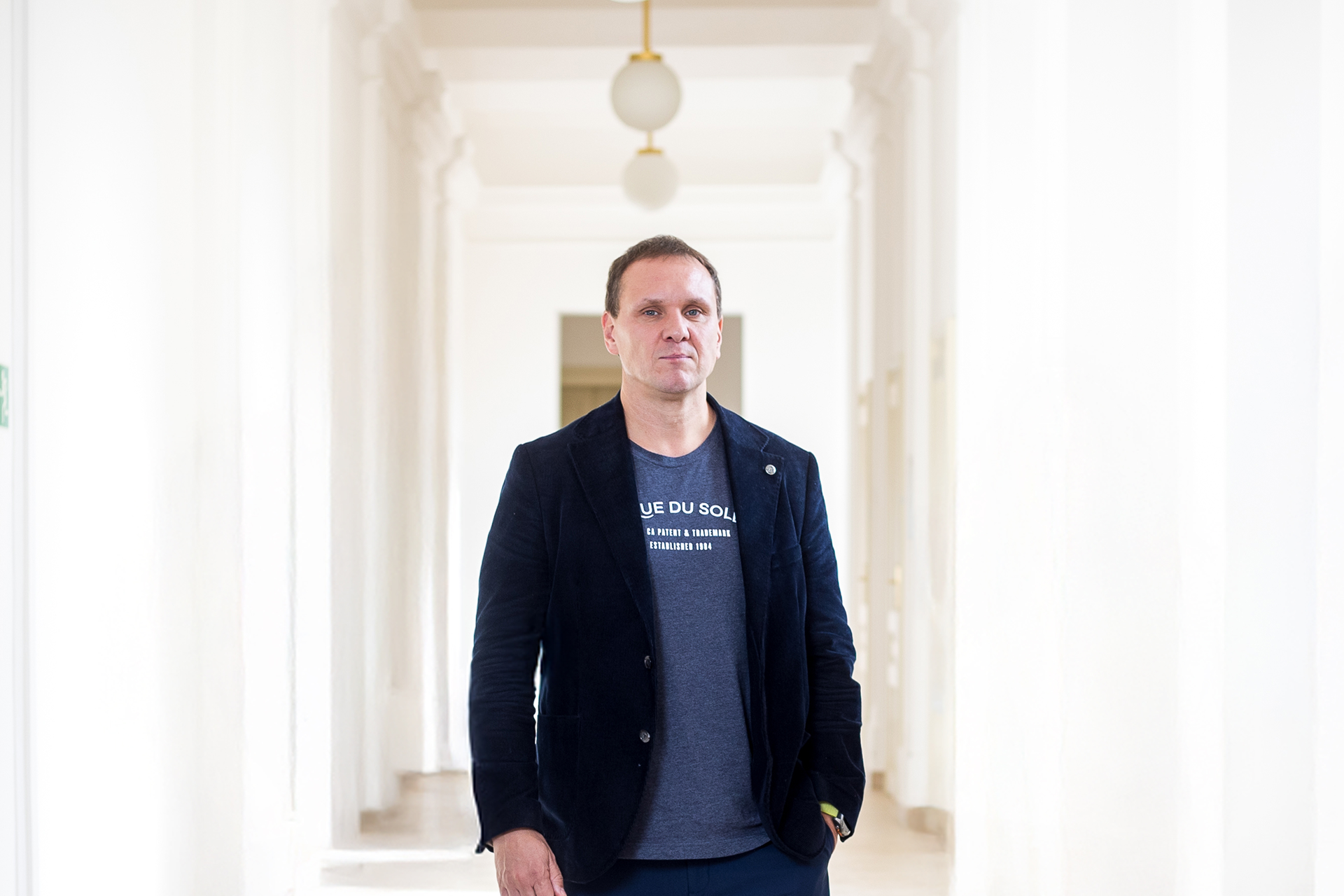
According to psychologist Miroslav Světlák from Masaryk University, it’s time to break this barrier.
“Digital approaches are not meant to replace clinicians — they should become another effective tool in their hands. If eHealth becomes a natural part of treatment plans, we can improve patient care, increase efficiency, and at the same time reduce the burden on healthcare staff,” he says.
Potential that remains untapped
Modern eHealth applications can support almost every stage of care — from prevention and diagnostics to treatment, relapse prevention, and long-term follow-up. They are useful even during remission or as a complement to traditional therapy.
However, the system still lacks clear recommendations from medical societies, unified lists of validated apps, and practical guidelines that would help both clinicians and patients navigate the options. Some patients continue to prefer in-person contact, while some healthcare providers worry that digital tools could reduce the quality of care.
A common language between technology and medicine
According to Světlák, the key is to understand digital solutions not as a replacement for clinicians, but as a natural extension of the work of doctors, psychologists, or social workers. Integrating these tools into treatment plans can increase effectiveness, improve access to care, and reduce the burden on medical staff.
Orbiso as a bridge between both worlds
This is exactly what Orbiso is built for — a secure, intuitive platform that allows clinicians to create personalized educational, preventive, and intervention programs for their patients. Without complex development, without relying on IT suppliers, and without high costs — yet with the ability to instantly tailor and adapt the content.
Thanks to its modular system, programs can easily incorporate education, questionnaires, exercises, value measurements, or feedback. Most importantly, Orbiso allows clinicians to integrate these digital tools directly into healthcare delivery, not run them separately in a “digital world.”
The future of medicine is not about choosing between traditional and digital care — but about meaningful integration. Orbiso is the bridge that makes this connection possible.
Watch the Czech Television interview
Psychologist Miroslav Světlák discussed eHealth tools and the integration of digital solutions into healthcare on ČT24. The interview starts at 15:05.





.png)
